What “fast” restoration should include (and what to compare)
When homes or businesses experience flooding, the first priority is controlling moisture and preventing materials from continuing to deteriorate. A strong restoration team will focus on both visible water removal and the hidden water inside walls, floors, and ceilings. Water Damage Restoration Parkville MD During your initial call, compare how each company explains their process from assessment to drying to final verification. Look for a clear description of equipment use, documentation, and how they communicate progress.
A service comparison should also cover response workflow and safety practices. Restoration work often involves electrical hazards, contaminated water, and structural risks, so the best providers outline containment, cleaning protocols, and protective measures. Ask whether they perform a detailed inspection, categorize the water type, and create a drying plan tailored to the affected building materials. Companies that rely only on generic checklists may miss the details that determine how quickly and thoroughly drying happens.
Finally, compare how each provider measures results. Drying should not end when the floor “feels dry,” because humidity can remain trapped in building cavities. The most reliable Certified Water Restoration Company will describe how they use meters to track moisture levels and set expectations for drying duration. This measurement-based approach helps reduce the risk of lingering odors, mold growth, and recurring damage.
Equipment, drying standards, and monitoring practices
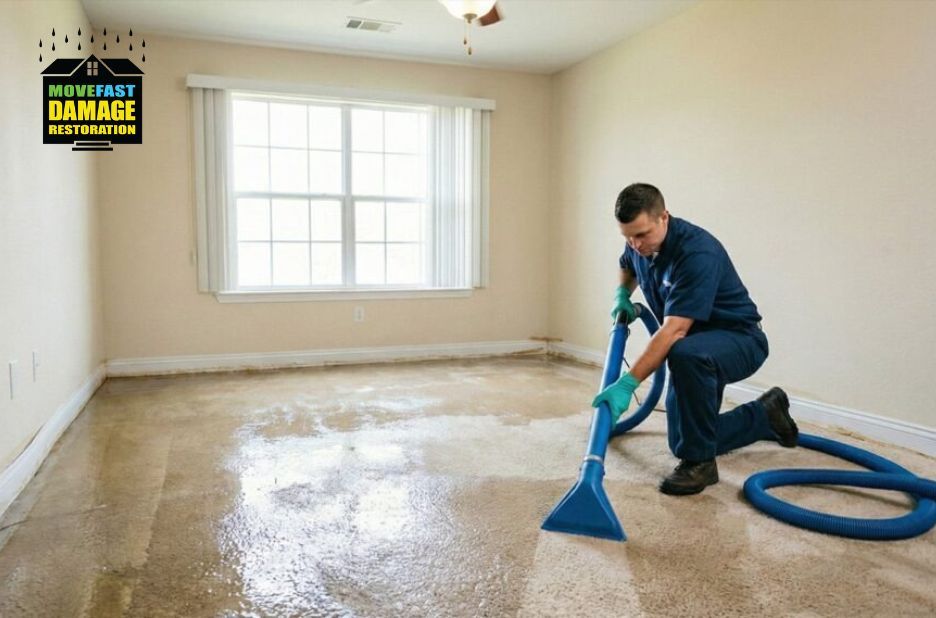
Moisture removal is only one step; drying is where many projects succeed or fail. In a proper water remediation plan, technicians use high-performance extraction tools to remove bulk water, followed by dehumidification and air movement to control evaporation. Compare whether Certified Water Restoration Company the company uses industrial-grade equipment sized for the affected area and whether it is documented in the plan. Ask what steps they take for different surfaces like drywall, hardwood, laminate, and concrete slabs.
Another key comparison involves monitoring and verification. A restoration contractor should establish baseline readings and then track changes at set intervals to confirm that moisture is dropping consistently. This usually includes documenting readings and adjusting equipment placement when conditions change. If a provider cannot explain how they verify drying outcomes, you may be relying on guesswork instead of measurable results.
Drying standards also affect what gets prepped before equipment is set. For example, some materials may require controlled demolition, drying mats, or careful dehumidification strategies to prevent damage from trapped moisture. A careful company will explain the reasoning behind each step and discuss options for restoring belongings and finishes. When the service is organized around material science rather than speed alone, drying tends to be more complete.
Restoration scope: from cleanup to reconstruction decisions
Service comparisons should look beyond drying and ask what happens after mitigation is complete. Water damage often leads to secondary issues like warped flooring, compromised drywall, and insulation saturation. The best restoration teams explain how they handle removal, cleaning, deodorization, and controlled rebuilding to restore the property’s function and appearance. This clarity matters because incomplete scope can leave homeowners dealing with recurring problems after the crew leaves.
Consider how each company approaches classification and contamination concerns. Clean water from supply line leaks differs from gray or black water from sewer backups, and the handling requirements change accordingly. Compare whether technicians discuss cleaning methods that match contamination level, including antimicrobial processes when appropriate. A professional will also address personal belongings, including how they decide what can be restored versus what should be discarded for safety.
Reconstruction planning is another part of a quality comparison. Ask about how they coordinate with flooring contractors, drywall repair, painting, and finish restoration. Some companies provide a full chain of service, while others coordinate with partners; either way, the process should be transparent and documented. The goal is to reduce delays and avoid mismatched materials or workmanship that can trap moisture after repairs begin.
Conclusion
Choosing the right restoration provider is easier when you compare processes, not just promises. Look for a team that explains inspection, safety, equipment selection, moisture monitoring, and a complete restoration scope from cleanup through rebuilding. When those elements are clear, it becomes possible to reduce uncertainty and protect both structure and indoor air quality.
Move Fast Restoration is built around reliable water cleanup, drying, and restoration solutions designed to reduce damage and speed recovery. Their approach emphasizes documentation, measurement-based drying, and careful handling of affected materials so homeowners and business owners can move forward with confidence. For guidance and service that fits real-world restoration needs, visit movefastrestoration.com to learn how their team supports with practical, professional care.