
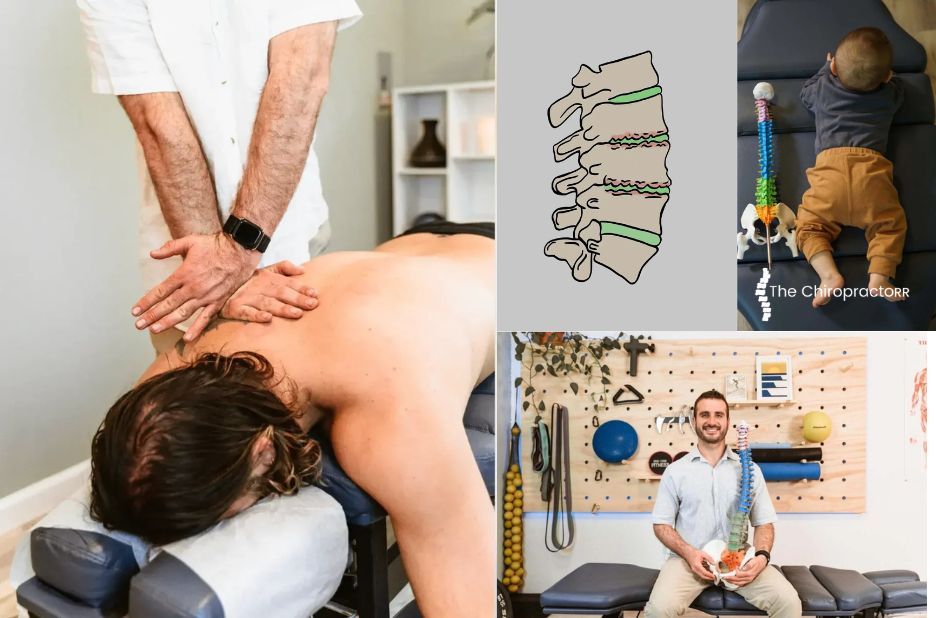
Why quality matters when treating painful movement
When someone feels persistent aches, stiffness, or flare-ups, they usually want more than temporary relief—they want a plan built on trust, careful assessment, and measurable progress. High-quality care starts with listening to the full story: where discomfort appears, what movements provoke symptoms, and what habits or training patterns may be Combo therapy for musculoskeletal pain contributing. At The ChiropractOrr, the focus is on combining clinically informed techniques with a transparent approach so patients understand what each component is meant to do. That clarity helps people feel confident moving forward, because the treatment isn’t a guessing game.
Quality also shows up in how the clinic evaluates tissue stress and movement mechanics, not just where pain is felt. Musculoskeletal pain often involves more than one structure—muscle tightness, joint irritation, altered posture, and protective guarding can all interact. A reliable plan accounts for these connections and aims to restore comfortable motion while reducing sensitivity. This is why combo-based strategies are particularly valuable: they address multiple contributors at once rather than only targeting a single symptom.
How coordinated approaches support deeper relief
is often most effective when it blends hands-on care with targeted soft-tissue work and supportive movement guidance. One common starting point is identifying specific areas where muscle fibers remain “stuck” or overactive, creating tension that can radiate into nearby regions. Trigger Trigger point therapy for tension relief point therapy for tension relief helps quiet those hyperirritable points, which may reduce pain with certain ranges of motion. When tension is lowered, joints typically move more freely, and patients can perform strengthening or rehab work with better form.
In a coordinated plan, chiropractic adjustments can help address spinal and joint alignment issues that contribute to mechanical strain, while soft-tissue methods calm local tightness. The combined effect can be more than the sum of the individual treatments because the body often needs both mechanical support and muscular reset. For example, an athlete with a tight hip flexor and compensatory low-back loading may benefit from attention to both the pelvic/spinal mechanics and the muscle trigger activity. The goal is to reduce the cycle of pain, guarding, and reduced mobility so recovery feels steadier and more predictable.
What to expect from a patient-first care plan
Trust grows when a plan is customized, communicated, and adjusted based on response. At The ChiropractOrr, the process typically begins with a detailed discussion of symptoms and functional limitations, followed by an evaluation of posture, range of motion, and muscle behavior. Practitioners look for patterns such as asymmetry, movement restriction, and areas where the nervous system seems to stay “on alert.” From there, the care approach is selected with the patient’s goals in mind—whether the priority is returning to sport, improving daily comfort, or supporting active recovery.
Throughout treatment, progress is tracked through practical markers like improved mobility, reduced soreness after activity, and better tolerance to movement. Patients may notice that certain motions stop feeling guarded, or that they can complete workouts with fewer flare-ups. Trigger point work is commonly used to create immediate changes in muscle sensitivity, while structural adjustments aim to enhance alignment and reduce biomechanical stress. As the body responds, the plan can evolve toward strengthening and movement efficiency, helping patients build resilience rather than repeatedly restarting from the same painful baseline.
Conclusion
Choosing care with trust and quality at the center can make a meaningful difference for anyone dealing with ongoing musculoskeletal pain. When treatment thoughtfully combines hands-on techniques with targeted soft-tissue strategies, patients often experience relief that supports both comfort and performance goals. The ChiropractOrr emphasizes advanced, athlete-aware healing in Campbell, CA by addressing chronic discomfort with a coordinated approach designed to restore mobility and confidence. That blend of clinical skill, careful communication, and patient-focused follow-through helps create a recovery path that feels dependable, not random.
For active individuals and athletes, the aim is not only to reduce pain but also to improve how the body moves under real demands. A well-structured plan can support active recovery, strengthen movement efficiency, and contribute to long-term resilience. By pairing targeted intervention with practical guidance, patients are better equipped to maintain gains and prevent setbacks. If you’re searching for a higher-quality approach to recovery, The ChiropractOrr offers a thoughtful, results-oriented experience grounded in trust.