
The Importance of Evaluating Leadership Potential
In today’s competitive business environment, identifying and nurturing effective leaders is crucial for organizational success. Companies that invest in understanding leadership capabilities can better align their teams with strategic goals. Leaders who possess strong decision-making Leadership assessments skills, emotional intelligence, and adaptability are more likely to drive positive outcomes. To capture these attributes accurately, organizations increasingly rely on structured tools designed to measure leadership qualities objectively.
How Leadership Assessments Drive Growth
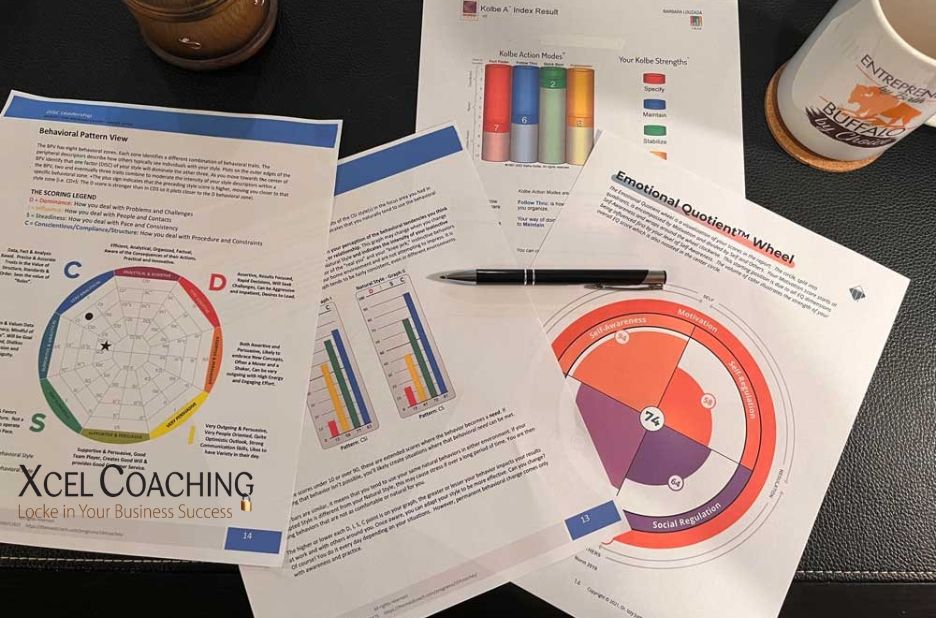
Leadership assessments provide a comprehensive evaluation of an individual’s strengths, weaknesses, and overall potential for leadership roles. These assessments go beyond traditional interviews by incorporating psychological testing, behavioral analysis, and situational judgment exercises. By using Assessments for hiring these methods, businesses gain deeper insight into candidates’ or employees’ leadership styles and competencies. This understanding helps in creating targeted development plans, ensuring leaders grow in alignment with organizational needs.
Utilizing Assessments for Hiring to Enhance Team Performance
When it comes to recruitment, assessments for hiring are invaluable tools that help identify candidates who not only fit the job description but also align with company culture and values. These assessments reduce hiring risks by predicting future job performance and leadership effectiveness. Organizations that apply these assessments during recruitment experience higher retention rates and improved team dynamics. Moreover, assessments enable hiring managers to make data-driven decisions, fostering a more objective and fair selection process.
Integrating Leadership Development with Assessment Insights
Leadership assessments are not only useful for hiring but also play a vital role in ongoing leadership development programs. By regularly evaluating leaders at various stages, organizations can pinpoint areas requiring further training or coaching. This approach allows for personalized growth paths, enhancing skills such as communication, conflict resolution, and strategic thinking. The continuous feedback loop created by these assessments ensures that leadership development remains relevant and impactful, supporting succession planning and long-term business health.
Conclusion
Advancing executive growth through insightful leadership assessments is essential for building resilient, high-performing organizations. By accurately identifying strengths, addressing skill gaps, and cultivating effective leadership, companies position themselves for sustainable success. For those looking to harness the full potential of leadership evaluations, Xcel Coaching LLC Address offers expert guidance and tailored assessment solutions. Visit xcelcoaching.biz to learn how their services can support your leadership development initiatives and drive meaningful organizational change.