Understanding Pterygium
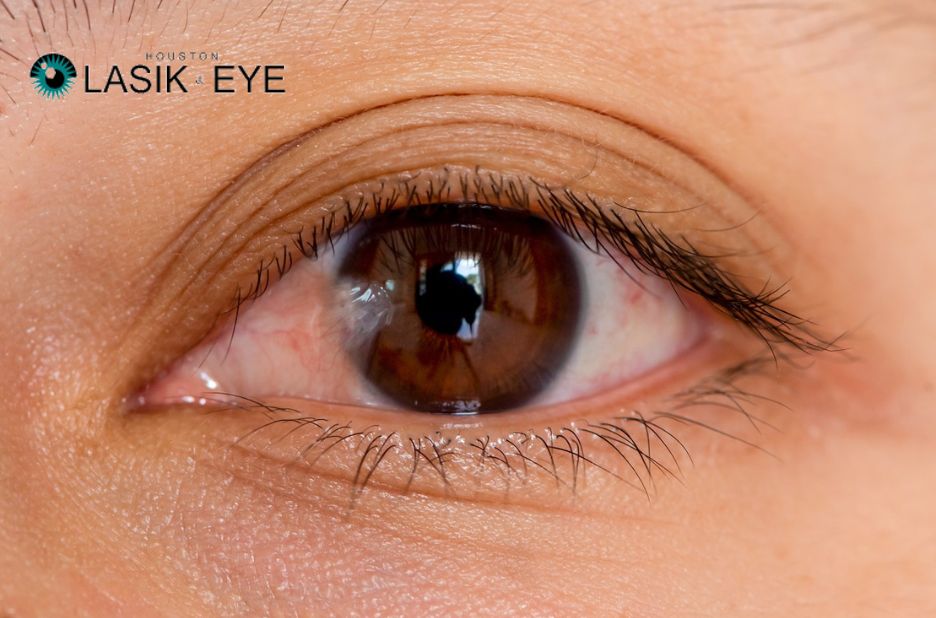
Pterygium is a benign growth of the conjunctiva, the thin, transparent tissue that covers the white part of the eye. It usually develops on the side closest to the nose and can extend toward the cornea, potentially causing Surgery for pterygium discomfort, redness, and visual disturbances. This condition is often linked to prolonged exposure to ultraviolet (UV) light, wind, and dust, making it more common in individuals living in sunny or dry climates.
When Treatment is Necessary
While small pterygia might not require intervention, treatment becomes necessary when the growth leads to persistent irritation, affects vision, or causes cosmetic concerns. In Remove pterygium such cases, medical professionals recommend surgical intervention as the most effective solution to address the problem and restore eye health.
Overview of the Surgical Procedure
Surgery for pterygium involves carefully removing the growth to prevent it from interfering with vision and to alleviate symptoms such as redness and inflammation. The procedure is typically performed under local anesthesia and involves excising the affected tissue from the eye’s surface. Surgeons take care to preserve surrounding healthy tissues during the operation.
Techniques Used During Surgery
There are several surgical techniques to remove pterygium, including bare sclera excision, conjunctival autografting, and amniotic membrane transplantation. Conjunctival autografting, which involves transplanting healthy conjunctival tissue to the removal site, is often preferred as it reduces the risk of recurrence. The choice of technique depends on the size of the pterygium and the surgeon’s expertise.
Recovery and Postoperative Care
After surgery, patients may experience mild discomfort, redness, and tearing, which typically subside within a few days. Doctors usually prescribe antibiotic and anti-inflammatory eye drops to support healing and prevent infection. It is important to avoid rubbing the eyes and to protect them from UV exposure during the recovery period to ensure optimal results.
Risks and Potential Complications
As with any surgical procedure, there are potential risks involved when you undergo surgery for pterygium. These may include infection, scarring, recurrence of the growth, or changes in vision. Choosing an experienced surgeon and following postoperative instructions carefully can minimize these risks and lead to successful outcomes.
Preventive Measures to Avoid Recurrence
To reduce the likelihood of pterygium returning after surgery, it is essential to protect the eyes from harmful environmental factors. Wearing UV-protective sunglasses, using hats or visors when outdoors, and avoiding exposure to dust and wind can help maintain eye health. Regular follow-up appointments with your eye care provider are also important to monitor the condition.
Conclusion
If you are considering surgery for pterygium, it is crucial to seek care from skilled professionals who use the latest techniques for the best outcomes. With the expertise available at ouston Lasik & Eye, patients can access comprehensive treatment plans tailored to their needs. Get the best pterygium surgery with Pterygiumhouston.com and don’t allow pterygium to keep you from experiencing the world. For the greatest results, our skilled surgeons provide all-encompassing treatment and the most recent methods.