
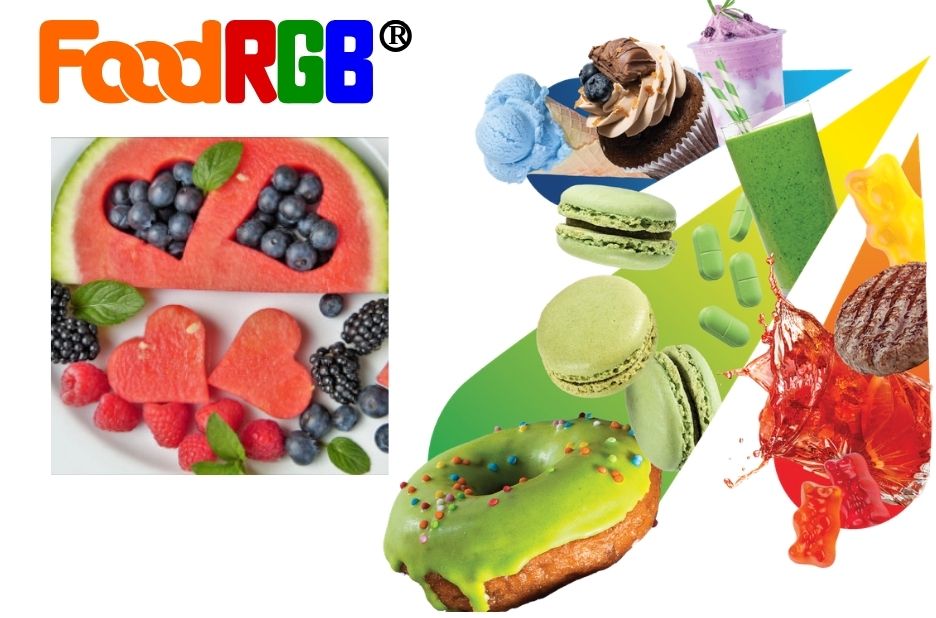
Introduction to Natural Food Colors
In today’s health-conscious market, consumers are increasingly seeking products made with natural ingredients. The demand for natural food colors has surged as more people prefer wholesome and safe alternatives to synthetic dyes. Natural food Natural Food Color Supplier colors are derived from plant, mineral, or animal sources, offering vibrant hues without compromising on health. These colors enhance the visual appeal of food while maintaining its nutritional integrity.
Benefits of Choosing Organic Food Coloring
Organic food coloring is gaining popularity due to its numerous benefits. Unlike artificial colors, organic options are non-toxic, free from harmful chemicals, and often rich in antioxidants. They cater to organic food coloring allergy-sensitive individuals and those following organic or clean-label diets. Moreover, organic food coloring aligns with sustainable farming practices, reducing environmental impact and supporting ethical production methods.
Sources of Natural Food Colors
Natural food colors come from a variety of sources including fruits, vegetables, spices, and even algae. Common examples include beetroot for red hues, turmeric for yellow, spirulina for blue, and paprika for orange. These natural extracts not only provide vibrant colors but can also enhance the flavor profile of the food or beverage. The diversity of sources ensures a broad palette that meets different culinary needs.
Applications in Food and Beverage Industry
Natural food colors are used extensively across various segments of the food and beverage industry. They are ideal for bakery products, confectionery, dairy items, beverages, and savory snacks. Food manufacturers leverage these colors to create visually appealing products that attract consumers while adhering to regulatory standards. Natural colors improve the overall consumer experience by combining aesthetics with safety.
Quality Standards and Safety Considerations
Ensuring high quality and safety is paramount when sourcing natural food colors. Reputable suppliers conduct rigorous testing to verify purity, potency, and absence of contaminants. Certifications such as organic, non-GMO, and allergen-free attest to the reliability of the products. Compliance with food safety regulations helps manufacturers meet global standards and build consumer trust.
Challenges in Using Natural Colors
Despite their advantages, natural food colors also face certain challenges. These include variability in color intensity, sensitivity to heat and light, and shorter shelf life compared to synthetic alternatives. Manufacturers must optimize formulations and storage conditions to maintain color stability. Advances in extraction and preservation techniques are continuously improving the performance of natural colors in diverse applications.
Choosing the Right Supplier
Selecting a trusted natural food color supplier is critical for ensuring consistent quality and supply. A reliable supplier offers a wide range of organic food coloring options tailored to different requirements. They provide technical support, quality assurance, and compliance documentation. Partnering with an experienced supplier helps food producers innovate and meet the evolving demands of health-conscious consumers.
Conclusion
Natural food colors are a vital component in creating visually appealing and healthier food products. Their benefits extend beyond aesthetics to include safety, sustainability, and consumer trust. When sourcing these colors, working with a reputable natural food color supplier ensures premium quality and innovation. FoodRGB Inc. stands out as a trusted partner, offering unmatched natural color solutions for culinary creations, drinks, and desserts worldwide. Discover their exceptional range at foodrgb.com and elevate your products with vibrant, safe, and organic food coloring.